Tutorials teach you how. A film school teaches you why, with whom, and under what pressure.
There's nothing wrong with learning from YouTube. There are excellent tutorials on lighting, editing, color, and camera work. If you want to know how a focus rack works or how to export from DaVinci Resolve, the answer is just three clicks away.
The problem isn't what they teach. It's what they can't teach.
What a tutorial can't give you
A tutorial answers a specific question at a specific time. It's linear, designed to work, and frictionless. That's precisely its strength, and also its limitation.
Filmmaking doesn't work like that. Filmmaking is about friction, decision-making, pressure, and collaboration. And that can only be learned under real-world conditions.
What a film school teaches, and YouTube cannot:
- Creative criteria. It's not just about knowing how to make a plan, but knowing what plan to make and why. That question can't be answered in a tutorial.
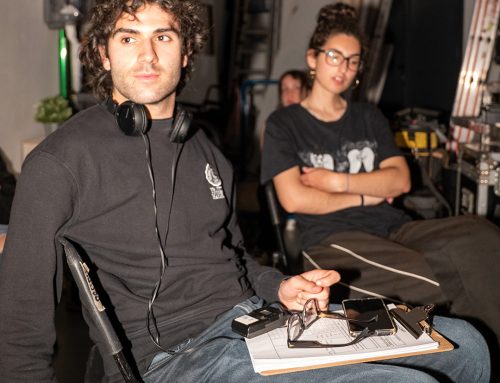
- I work well under pressure. Filming with limited time, with a real crew, and with something at stake completely changes how decisions are made.
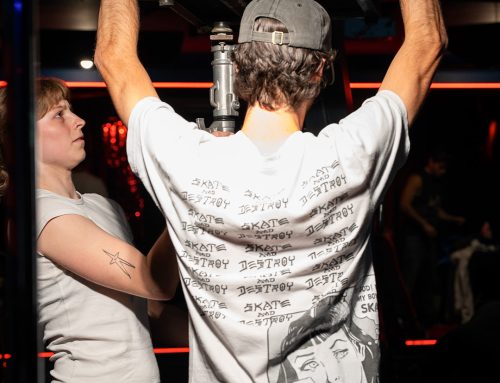
- Collaboration. Filmmaking is a team effort. Learning to communicate, to compromise, to lead a department, or to follow someone else's instructions is a skill that can't be developed alone in front of a screen.
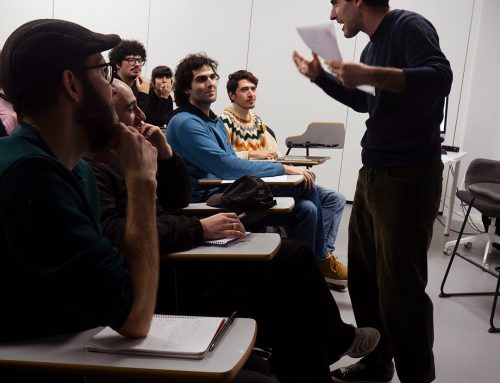
- Real feedback. A teacher who has experience filming, who knows your work, and can tell you exactly what isn't working and why. That doesn't exist on YouTube.
- Making a mistake with the net. In a school, you can fail, learn from your mistakes, and try again. On a professional film set, the margin for error is much narrower.
- Shared references. Watching films with others, discussing them, understanding why a sequence works or doesn't. Critical thinking is built through conversation, not in isolation.
The tutorial teaches the gesture. The school teaches the craft.
Knowing how to use a camera and knowing how to film are not the same thing. Nor are knowing how to edit and knowing how to assemble a film. The difference lies in the decisions made before pressing any button: what story you want to tell, how to organize the space, what rhythm a scene needs, what to sacrifice when time is short.
You don't learn that by watching. You learn it by doing, failing, and doing it again.
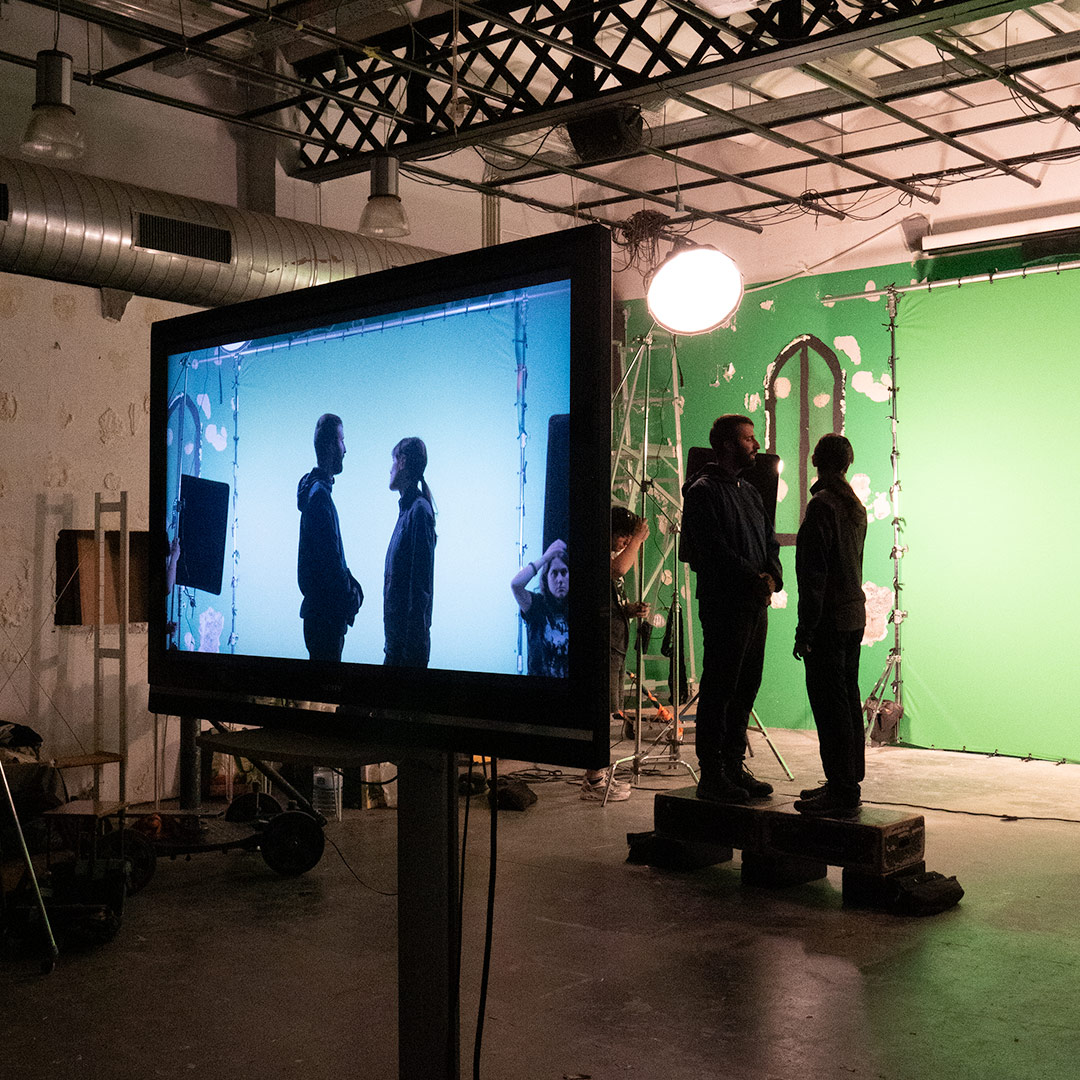
At Bande à Part, students accumulate more than 200 film shoots per academic year. From day one, with professional cameras, real equipment, and instructors who work in the industry. Because judgment, skill, and personality as a filmmaker aren't something you just download. They're something you build.